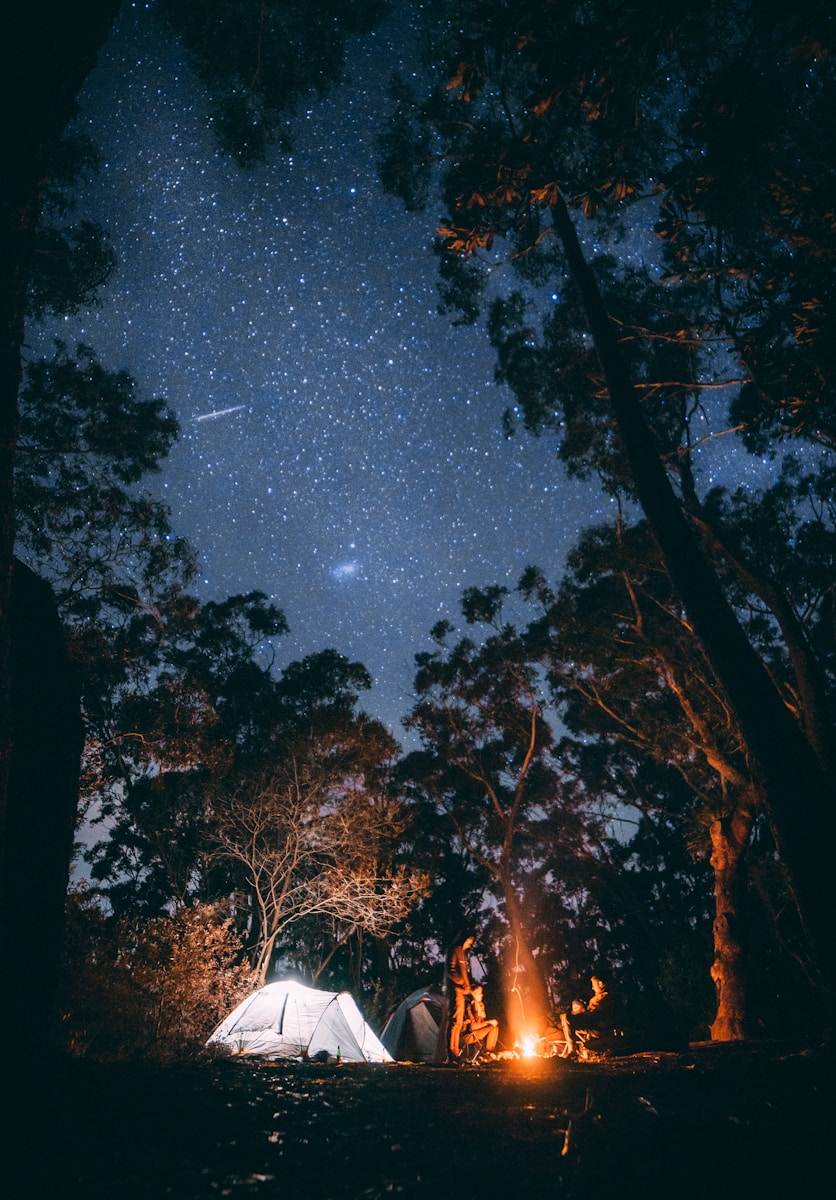
Introduction: Why Camping in Manitoba is Great for Beginners
- A Friendly Welcome to the Wilderness: Manitoba offers an ideal mix of accessible campgrounds and beautiful wilderness, making it perfect for first-time campers. With 92 provincial parks and over 6,000 campsites available across diverse landscapes , there’s plenty of room to explore without feeling overwhelmed.
- Scenic Diversity: From vast prairies and shimmering lakes to dense boreal forests, Manitoba’s geography has a bit of everything. New campers can relax by a lake one day and hike sand dunes the next, experiencing a variety of scenery in one trip.
- Beginner-Friendly Facilities: Many Manitoba campgrounds are designed for comfort – expect amenities like washrooms, showers, picnic shelters, and even Wi-Fi in some frontcountry sites . This means you can enjoy nature without giving up all your creature comforts.
- Laid-Back Vibe with Room to Learn: Camping here is generally low-key and supportive. Manitobans are known for their friendliness, so don’t be surprised if a neighboring camper offers a helping hand or some advice. It’s a great place to learn the ropes in a welcoming environment.
- Why It’s Great for First-Timers: Manitoba’s parks staff and signage make it easy to find your way. There are plenty of short, easy hiking trails and guided programs (like interpretive walks or park info sessions) that cater to beginners. In short, Manitoba gives new campers a safe, enjoyable introduction to the outdoors while still offering authentic nature experiences.
Types of Camping in Manitoba (Frontcountry, Backcountry, RV, Comfort Camping)
- Frontcountry Camping (Car Camping): The most popular choice for beginners, frontcountry camping means you can drive right up to a developed campsite. These campgrounds usually have plenty of amenities like showers, washrooms, fire pits, and often electrical hookups . You’ll be in a designated campground with park staff nearby and maybe even a convenience store down the road. It’s camping made easy – perfect for families and first-timers.
- Backcountry Camping: Backcountry sites are for those craving a more adventurous experience. You typically hike or paddle in to a remote site away from the crowds . The sites may have only basic facilities (a fire ring, pit toilet, or tent pad). This isn’t usually recommended for absolute beginners unless you’re with an experienced group, but it’s something to aspire to as you gain skills. (Tip: Manitoba offers backcountry options ranging from short overnight hikes to multi-day canoe routes. Start small if you want to try this, and always let someone know your plan.)
- RV and Trailer Camping: If you have an RV or camper trailer (or plan to rent one), Manitoba’s campgrounds have you covered. Many frontcountry campgrounds offer RV sites with electrical, water, and sewer hookups , making it easy to camp in comfort. RV camping is a nice option for beginners who want to bring a bit of home on the road – you’ll have a bed, kitchen, and even air conditioning in your unit. Just be sure to reserve sites labeled for RVs or “full service” if you need hookups.
- Comfort Camping (Yurts, Cabins, and oTENTiks): Not ready to sleep in a tent? Try a yurt or cabin! Manitoba Parks have yurts (circular tent-cabins) and some cabins in certain parks, and Riding Mountain National Park features oTENTiks (A-frame cabin-tents) and even a Micro-Cube. These are sometimes called “comfort camping” or “roofed accommodations,” and they’re a perfect blend of a bit of luxury with back-to-nature camping . No tent setup required – just bring your bedding and gear. Insider note: These accommodations are super popular and fill up fast, so book early!
A cozy yurt in a Manitoba provincial park. Yurts (and other comfort camping options) let you enjoy camping without needing all the gear – a great choice for beginners who want a softer intro to the outdoors. Many come with bunk beds, decks, and BBQs, so you can just pack a cooler and enjoy nature in comfort.
- Winter Camping (For the Brave Beginners): While this guide focuses on the typical camping season, it’s worth mentioning that Manitoba does offer year-round camping opportunities. Some parks have winter camping or heated cabins for rent. Winter camping is an advanced adventure due to extreme cold, so most beginners stick to the milder months. But if you catch the camping bug and gain experience, you might find yourself roasting marshmallows over a snowbank campfire in the future – Manitoba truly is a year-round camping destination.
Best Parks and Campgrounds in Manitoba for Beginner Campers
When you’re just starting out, choosing the right campground can make or break your trip. Here are some beginner-friendly parks and campsites in Manitoba that offer great scenery with plenty of amenities and easy access:
Top Provincial Parks for Beginner Camping
- Whiteshell Provincial Park: Arguably one of Manitoba’s most popular parks, the Whiteshell has some of the best campgrounds in Manitoba . It’s beloved by beginners and veteran campers alike. Top spots include Falcon Lake, West Hawk Lake, Nutimik Lake, Caddy Lake, and Otter Falls campgrounds – all of which have nice facilities, beautiful lakeside sites, and lots of activities nearby. In Whiteshell you can go from your campsite to hiking trails, beaches, and even local shops within minutes , so you never feel too far from civilization. (Internal link opportunity: Detailed Whiteshell Camping Guide with hiking trail recommendations.)
- Birds Hill Provincial Park: Just 20 minutes from Winnipeg, Birds Hill is a perfect “first trip” park. It has a large, well-organized campground with modern washrooms and even an on-site store. There’s a popular beach and swimming lake, easy cycling trails, and even occasional outdoor concerts (the park hosts Winnipeg’s folk festival). New campers will appreciate the park’s close proximity to the city in case you forget any supplies, and families love the playgrounds and picnic areas. Birds Hill gives a nice taste of nature without straying too far from urban comforts.
- Spruce Woods Provincial Park: Home to Kiche Manitou Campground, one of Manitoba’s most beloved camping spots . Spruce Woods offers a unique landscape (it’s home to the Spirit Sands desert – yes, real sand dunes in Manitoba!). The campground has everything a beginner needs: modern washrooms, showers, a park store, equipment rentals, and even mini-golf and a playground . You can hike the Spirit Sands trail, paddle on the Assiniboine River, or attend a park interpretive program. Plus, Spruce Woods offers yurts for rent if you’d rather not tent it. It’s a fantastic choice for an easy yet interesting camping experience.
- Duck Mountain Provincial Park: Up in western Manitoba, Duck Mountain (a.k.a. “The Ducks”) is another excellent option. It features Blue Lakes Campground, famous for its crystal-clear blue-green lake. Amenities are camper-friendly (showers, beach, boat rentals), and the scenic beauty is top-notch – think rolling hills and mixed forest. There are nice short hikes like the Blue Lakes Trail (with lake overlooks) that are great for beginners. The park is a bit further from major cities, so it’s quieter, giving first-timers a real sense of “getting away” while still feeling secure in a well-managed campground.
- Hecla-Grindstone Provincial Park: If island vibes appeal to you, Hecla Island in Lake Winnipeg offers a large campground that’s great for novice campers. You’ll find electrical sites, showers, and laundry facilities on-site, plus a golf course and resort nearby for when you feel like pampering yourself. The campground is near Lake Winnipeg’s beaches, a historic Icelandic fishing village, and lighthouse trails. It’s a wonderful mix of culture and nature. Beginners can camp at Hecla and enjoy easy day activities like walking the marina pier, bird-watching, or grabbing ice cream at the resort – a gentle introduction to camping life.
- Grand Beach Provincial Park: For those who love water and sand, Grand Beach’s campground lets you camp a short walk away from one of Canada’s top freshwater beaches. It’s a well-developed campground with showers and concessions. By day, lounge or swim at the grand beach (famous for its soft white sand dunes), and by night, retreat to your campsite nestled in the pine forest. Grand Beach is very popular, so expect a lively, family-friendly atmosphere. It’s an excellent choice for beginners who want a beach vacation meets camping trip experience.
(Of course, there are many more great provincial parks – Manitoba has 93 provincial parks in total – but the above are particularly suited for beginners. Once you get the hang of camping, you can explore countless other parks, from Nopiming’s quiet lakes to Paint Lake’s northern beauty.)
Camping in Manitoba’s National Parks
- Riding Mountain National Park: This is a must-visit for camping enthusiasts, beginner or not. Riding Mountain NP offers a very polished camping experience at Wasagaming (the Clear Lake area). The main campground (Wasagaming Campground) has full facilities: hot showers, flush toilets, a campground office, and easy access to the resort-like town site of Wasagaming. First-timers will love that you can walk from your tent to an ice cream shop or amphitheater for a park interpretive show! The park itself has gorgeous lakes, wildlife (you might see bison or black bears at a distance), and tons of recreation. Note: Riding Mountain is extremely popular – booking well in advance is crucial, as sites fill up as soon as reservations open for the season . If you plan to camp here, mark your calendar for Parks Canada’s reservation launch date (usually in January) and be ready. (Internal link idea: Riding Mountain NP Camping Guide, including top things to do in Wasagaming.)
- Wapusk National Park: Wapusk is the other national park in Manitoba, but it’s not for beginner campers. It’s a remote tundra park near Hudson Bay, primarily accessed via guided tours (known for polar bears). There are no conventional campgrounds – only researchers or guided groups occasionally overnight in fenced compounds for safety. As a first-time camper, you can safely skip Wapusk until you’re ready for an extreme expedition (and have a polar bear guide!). Focus on the many other accessible parks instead.
Private Campgrounds and Other Options
- Private & Municipal Campgrounds: In addition to provincial and national parks, Manitoba has a wide selection of private campgrounds (often family-run or resort-style) and municipal campgrounds (operated by towns or cities). These can be great for beginners because they often provide extra amenities – think playgrounds, swimming pools, Wi-Fi, and equipment rentals – sometimes at a lower cost than provincial park campgrounds . For example, private RV parks near popular lakes might offer full-service RV hookups, laundry facilities, or even mini waterparks. If you want a more “plugged-in” camping experience or couldn’t get a site in a provincial park, private campgrounds are a solid Plan B. (Internal link: perhaps a list of “Top 10 Private Campgrounds in Manitoba” or link to Manitoba Association of Campgrounds directory.)
- Glamping and Alternative Stays: Some private operators offer glamping tents, tipis, or outfitter camps that provide a unique twist on camping. These might include stays on a farm, a tipi near Riding Mountain, or wall-tent cabins by a river. They’re generally easy to manage for beginners since everything is set up for you. Keep an eye out for these if you want a memorable experience without roughing it.
- Crown Land Camping (Free Camping): Once you gain confidence, Manitoba does allow camping on Crown land (public land outside parks) for free or minimal cost. This is usually very rustic – no facilities and you must be self-sufficient – so it’s not recommended for your first few trips. But it’s good to know for the future: experienced campers can explore lesser-known lakes and forests this way. Always research regulations (length of stay, fire permits, etc.) before trying Crown land camping. (Internal link: Guide to Crown Land Camping in Manitoba or “advanced camping options”)
How to Book a Campsite in Manitoba
Securing a campsite in Manitoba, especially at popular parks and peak summer weekends, requires a bit of planning. Here’s how the reservation process works and some insider tips to snag that perfect spot:
- Provincial Park Reservations: Manitoba Provincial Parks use the Parks Reservation Service (PRS) to book campsites, yurts, cabins, and group sites . You can book in one of three ways: online, by phone (1-888-482-2267) , or in person in Winnipeg. Each spring, Manitoba Parks announces reservation opening days (typically in early April) when different regions or types of campsites become available for booking. On those launch mornings, the online system can be very busy (virtual waiting room queues are the norm).
- Booking Tip: Create your PRS account before the opening day and familiarize yourself with the site. When reservations open at 7:00 a.m., log in and be ready to search quickly. For top campgrounds like Birds Hill or Whiteshell, have a few backup options in mind in case your first choice is taken . If the website is slow or jammed, try the phone line as a backup.
- Campsite inventory is generally released in batches (e.g., one day they open bookings for all campsites in Western region parks, next day for Whiteshell region, etc.). Check the Manitoba Parks website for the exact schedule and mark your calendar. Once open, reservations can be made for the entire summer season (usually up to the September long weekend).
- Booking Tip: Create your PRS account before the opening day and familiarize yourself with the site. When reservations open at 7:00 a.m., log in and be ready to search quickly. For top campgrounds like Birds Hill or Whiteshell, have a few backup options in mind in case your first choice is taken . If the website is slow or jammed, try the phone line as a backup.
- Parks Canada Reservations (Riding Mountain NP): For national parks like Riding Mountain, reservations are done through the Parks Canada reservation system (separate from the provincial one). The launch date is often in January for the upcoming summer. The process is similar: go online to the Parks Canada site (or call their reservation number) when bookings open. Riding Mountain’s campgrounds fill up extremely fast – we’re talking minutes for prime sites on summer weekends – so set up a Parks Canada account early and be ready at the opening moment. If you miss out, you can keep checking for cancellations later.
- First-Come, First-Served & Walk-Ins: Not all campsites are reservable. Some provincial park campgrounds maintain a few first-come, first-served sites or same-day sites. Also, if you’re camping on a weekday or in the shoulder season (May or September), you have a better chance to drive in and find a spot. Always have a backup plan though, especially on holidays. If you arrive without a reservation, try to get to the campground early in the day (morning) to snag any open spots as other campers depart.
- Booking Private Campgrounds: Most private campgrounds in Manitoba take reservations via their own websites or by phone. The competition is usually not as fierce as for provincial parks, but for popular private resorts (like those near Clear Lake or popular beach areas), it’s still wise to book early, especially for weekends. The Manitoba Association of Campgrounds and Parks (MACAP) website is a handy directory to find private sites and their contact info.
- Reservation Fees & Policies: When booking through the Manitoba Parks system, expect to pay the nightly camping fee plus a reservation fee (around $5-$10). If you need to cancel or change a reservation, check the policy – usually you can get a refund (minus a fee) if you cancel a certain number of days in advance . Parks Canada likewise charges a reservation fee on top of camping fees. Be aware of no-show rules: if you don’t check in by a certain time on your arrival day, you risk losing your booking.
- Best Times to Camp (and Book): The peak camping season in Manitoba is late June through early September. July and August weekends are busiest (and often booked solid). If you can camp in May, early June, or after mid-August, you’ll find it easier to get sites and fewer crowds (just be prepared for cooler nights in spring/fall). Sundays to Thursdays are generally quieter, so you could have luck finding spots last-minute on weekdays . Many newbies start with a mid-week trip to avoid the rush.
- Insider Booking Hacks:
- Check for cancellations: Plans change and sites do open up. One trick is to look for cancellations a few days before your intended trip, especially Sunday through Tuesday for the upcoming weekend, as some people cancel right after their weekend trips . The online system updates in real time, so you might snag a site that wasn’t available earlier.
- Utilize Facebook groups or forums: Local camping groups often share tips about site availability and might even transfer reservations (within the rules) if someone can’t go. This can be a goldmine for last-minute trips.
- Be flexible on location: If your dream campground is full, consider a nearby park or a less-known campground in the same area. Manitoba has many hidden gem campgrounds that don’t book up as fast. A slightly longer drive or a campground with fewer sites can often mean more availability.
- Check for cancellations: Plans change and sites do open up. One trick is to look for cancellations a few days before your intended trip, especially Sunday through Tuesday for the upcoming weekend, as some people cancel right after their weekend trips . The online system updates in real time, so you might snag a site that wasn’t available earlier.
- Don’t Forget the Park Permit: When camping in Manitoba’s provincial parks, you’ll need a valid park entry permit (a.k.a. vehicle permit) in addition to your camping fees. You can buy daily or annual permits online or at park offices. For popular provincial parks like Grand Beach, Whiteshell, or Nopiming, make sure you have that permit displayed in your car – park rangers do check . (If you reserve online, the system will often prompt you about permits or offer to purchase one.) Riding Mountain NP and other national sites have their own entry fees as well, which you can pay online or at the gate. Bottom line: book your site, then be sure you’ve taken care of park entry permits so you’re all set to roll into the campground.
Manitoba Camping Essentials: Gear and Packing Tips for Beginners
One of the most daunting parts of camping for newbies is figuring out what gear you actually need. The key in Manitoba is to cover the basics (shelter, sleep, food, safety) while accounting for local factors like bugs and weather. Here’s a breakdown of camping essentials, with some Manitoba-specific twists:
- Shelter (Tent or Other): If you’re tent camping, a quality 3-season tent is a must. Look for one that’s easy to set up and has a full rainfly (to handle surprise rainstorms). A tent rated for 3 seasons will handle Manitoba’s summer conditions well – it’ll keep bugs out and dry out quickly after rain. If you’re in an RV or trailer, ensure you have the appropriate hook-ups and adapters for campgrounds. Consider: Bringing a tent footprint or tarp to put under your tent (protects from ground moisture and damage).
- Affiliate Suggestion: A quick-setup tent (e.g., an instant pop-up tent) can be great for beginners to avoid frustration. Also, consider a tent fan or portable heater/AC unit if camping in mid-summer heat or early/late season cold – for example, EcoFlow’s WAVE 2 Portable AC/Heater is an option some Manitoba campers use to stay comfy .
- Affiliate Suggestion: A quick-setup tent (e.g., an instant pop-up tent) can be great for beginners to avoid frustration. Also, consider a tent fan or portable heater/AC unit if camping in mid-summer heat or early/late season cold – for example, EcoFlow’s WAVE 2 Portable AC/Heater is an option some Manitoba campers use to stay comfy .
- Sleeping Gear: Nights can get cooler than you expect, even after hot days. Pack a sleeping bag rated for at least ~0°C to -5°C (30s °F) just to be safe, especially if camping in May, June, or September . In peak summer, a lighter bag will do, but you can always unzip if too warm. Don’t forget a sleeping pad or air mattress for comfort and insulation from the ground – the extra padding makes a huge difference for a good night’s sleep. Pillows are often overlooked; you can bring a small pillow from home or use a special camping pillow that packs down.
- Clothing and Footwear: Manitoba weather is variable, so layers are your friend. Pack a mix of short-sleeve and long-sleeve shirts, a warm hoodie or fleece for evenings, and a waterproof jacket . Quick-dry or moisture-wicking fabrics will keep you comfortable (nobody likes sleeping in a sweaty cotton shirt on a humid night). For bottoms, bring both pants and shorts. Even in summer, long pants are useful to guard against mosquitoes and ticks in the evenings or on hikes . Sturdy shoes or light hiking boots are ideal for walking trails; also pack sandals or water shoes for the beach or shower. And don’t forget extra socks and underwear – always bring more than you think you need, especially if it rains.
- Bug Protection: Manitoba’s unofficial provincial bird is the mosquito (just kidding, but it feels true!). In woodland and lakeshore campgrounds, mosquitoes can be fierce from late spring through midsummer, especially at dusk and dawn. Blackflies and horseflies can also make appearances. To stay comfortable, pack a high-quality insect repellent (look for one with DEET or icaridin). Consider a bug net hat or even a head-to-toe bug net suit if you’re particularly sensitive – some campers swear by a head net when sitting around camp in June . Light-colored, long-sleeved clothing can help prevent bites (mosquitoes are often more attracted to dark colors). Also bring after-bite lotion or hydrocortisone cream in your first aid kit in case you do get itchy bites. Pro Tip: Mosquito coils or thermacell devices can help keep your campsite bug-free; just use them safely and according to instructions.
- Camp Kitchen Gear: If you plan to cook, bring a camping stove (propane or butane) with enough fuel canisters. While many Manitoba campsites have fire pits and you might cook the classic hot dogs and s’mores on the fire, having a stove is crucial for boiling water or making meals if there’s a fire ban or wet weather. Pack a couple of pots/pans, utensils, a knife, cutting board, and dishes or aluminum foil as needed for your meal plan. Don’t forget a lighter or waterproof matches (pack two methods, just in case). A cooler is essential for keeping food fresh; block ice tends to last longer than cube ice in the summer heat. Pro tip: freeze some water bottles to use as ice packs – as they melt, you get cold drinking water. Also handy: biodegradable soap, a dish sponge, and a basin or tub to do dishes (note: do not wash dishes directly in lakes or bathroom sinks, to keep things sanitary ). Bring garbage bags to pack out your trash or deposit in park bins.
- Food and Water: Plan simple meals that don’t require gourmet chef skills on your first trip. Think burgers, sandwiches, pasta, or chili – things that are easy to cook on a camp stove or fire. Pack plenty of snacks (trail mix, granola bars, fruits) since camping activities make you hungry. Water is available at most frontcountry campgrounds, but it’s smart to bring a large water container or jug to keep at your site. In case the potable water system fails or isn’t available, have a backup like a water filtration straw or tablets. Never assume you can drink straight from a lake or stream – always purify natural water or bring your own . For convenience, you might bring a couple of 4L jugs of water from the store for cooking and drinking.
- Campfire Gear: If you’re looking forward to evening campfires (who isn’t?), remember to pack some fire essentials. Bring or buy firewood at your destination – don’t transport firewood from far away, as it can spread tree-killing insects (Manitoba Parks advise purchasing local firewood near the campground) . Most campgrounds have wood for sale or local vendors nearby. Pack a fire starter (newspapers or fire starter sticks) to make lighting the fire easier. A small axe or hatchet can help to split kindling, but be very careful if you use one (and only adults should wield it). Also, a roasting fork or two for marshmallows or hot dogs will make campfire cooking more fun.
- Lighting and Electronics: Once night falls, you’ll need some light. Headlamps are fantastic for keeping your hands free (for example, when making trips to the washroom in the dark). Also bring a flashlight and/or a lantern for your campsite. LED lanterns or those that can hang in your tent are useful for ambient light. Pack extra batteries or charging cables for any rechargeable lights. Speaking of charging – if you’re reliant on your phone or camera, consider a portable power bank. Cell service can be spotty in many parks , but you’ll still want your phone for photos or offline maps. A power bank or a small portable power station (like EcoFlow’s River series) can recharge devices off-grid . At the very least, charge everything up before you leave home. And don’t forget car chargers if you’ll be driving a lot.
- Safety and Navigation: A basic first aid kit is a must. Include band-aids, antiseptic wipes, pain relievers, any personal medications, tweezers (for splinters or ticks), and moleskin for blisters. For navigation, carry a map of the park (usually given at the park entrance or downloadable from the park’s website). It’s also wise to download offline maps to your phone (via Google Maps or Maps.me) or bring a GPS if you plan on hiking beyond the campground. A compass and knowledge of how to use it can’t hurt. Carry a whistle (on your person during hikes) – it’s a simple safety tool to signal for help if needed.
- Weather Readiness: Manitoba’s weather can change quickly. Summer thunderstorms or showers can pop up with little notice. Pack a rain jacket or poncho for each camper and consider bringing an extra tarp or two. Tarps are super versatile: you can string one up over your tent or cooking area for rain protection, or lay one on the ground for a picnic. If a storm is forecast, have a plan: you might wait it out in your vehicle or a park shelter. On the flip side, sun protection is crucial – summer sun in Manitoba is strong. Bring a sun hat, sunglasses, and sunscreen (SPF 30 or higher) and reapply often, especially when out on the water or at the beach.
- Other Handy Items: Don’t forget the small things that make life easier:
- Camping chairs or camp stools – you’ll want a comfy place to sit by the fire or lake.
- A small foldable table if your site doesn’t have a picnic table, or if you want extra prep space.
- Toiletries and hygiene: Toothbrush, toothpaste, biodegradable soap, hand sanitizer, toilet paper (the campground outhouse might run out, so a backup roll is gold), and a quick-dry towel. Pack a few garbage bags not just for trash, but also to stash dirty laundry or to keep gear dry if it rains.
- Personal items: Camera for capturing memories, binoculars for wildlife/bird watching, a book or cards for leisure, and any permits or park maps you have.
- Emergency items: A fire extinguisher (or at least a gallon of water on hand) for campfire safety, a multitool or knife, duct tape (the savior of broken tent poles or torn rainflies), and paracord/rope (useful for hanging tarps or clotheslines).
- Camping chairs or camp stools – you’ll want a comfy place to sit by the fire or lake.
- Manitoba-Specific Musts: Two things you should never camp without in Manitoba: bug spray and a hoodie. The bug spray we covered – bring lots and reapply as needed. The hoodie (or any warm layer) is because even on a hot summer day, the evening around the campfire can turn cool quickly, especially if there’s a breeze off a lake. Locals know that a warm layer is essential gear, even in July. As one camping joke goes, “Pack for both beach weather and sweater weather – you’ll likely get both in the same weekend here!”
(Internal link opportunity: a downloadable Camping Gear Checklist for Manitoba, or an article reviewing the top 5 tents or best bug repellents – potential affiliate links to those products.)
Safety First: Wildlife, Weather, and Campfire Tips
Staying safe is a top priority, but it doesn’t have to be daunting. A little preparation and knowledge go a long way to keep your camping trip incident-free. Here are key safety guidelines for wildlife, weather, and campfires in Manitoba:
- Wildlife Safety: Manitoba’s wilderness is home to amazing wildlife – and you’ll want to keep it wild by respecting animals and staying smart around them. The most talked-about animal is the black bear, found in many forested parks (Whiteshell, Duck Mountain, Riding Mountain, Nopiming, etc.). While black bear encounters with campers are rare, you should always be bear-aware:
- Keep a clean campsite: This is rule #1 for bears. Never leave food, coolers, or dirty dishes out in the open. Store all food and scented items (toothpaste, soap, etc.) in your vehicle or in provided bear lockers. A clean site is less likely to attract curious critters . Tip: The Parks Canada team suggests maintaining a “‘bare’ campsite” – meaning nothing is left out that could tempt wildlife .
- Dispose of garbage properly: Use the bear-proof garbage bins at the campground or keep trash secured in your vehicle until you can throw it out . Don’t burn or bury garbage – it doesn’t hide the smell. And never leave food scraps around (this includes not tossing apple cores or bacon grease into the bushes).
- What to do if you see a bear: Most likely, any bear you see will be at a distance. Keep it that way – never approach, and do not feed wildlife (that goes for any animal) . If a bear wanders near your campsite, remain calm. Make noise (talk firmly, bang pots) to let it know you’re there; most will run off. Have bear spray accessible if you’re in bear country and know how to use it (practice with an inert can beforehand). In the extremely unlikely event of a close encounter, follow wildlife guidelines: don’t run, back away slowly while facing the bear, and use your bear spray if the bear approaches within range. Report any bear sightings or incidents to park staff so they can monitor and help keep everyone safe.
- Other wildlife: While bears get the spotlight, remember that smaller critters can cause trouble if you’re not careful. Raccoons, foxes, or even squirrels will rummage through food if left out. Keep food sealed. At night, store your cooler and food in the car – not in your tent (a tent is no match for a raccoon’s determination!). If you’re camping near water, you might hear or see animals like beavers or otters; enjoy from a distance. In some parks, snakes like garter snakes are common (harmless), and the prairie rattlesnake has a very limited range in extreme western Manitoba (Spruce Woods area). Snake encounters are extremely rare; just watch where you step in tall grass or on rocky outcrops.
- Bugs and biters: We already talked mosquitoes and ticks in the gear section, but as a safety note, be aware that wood ticks (and the smaller deer ticks) are present in Manitoba and can carry Lyme disease. After hiking or being in grassy/bushy areas, do a thorough tick check on yourself, kids, and pets. Remove any ticks promptly with tweezers. It’s wise to wear long pants and use bug repellent with DEET when hiking in tick country .
- Pets and wildlife: If you camp with a dog, keep them leashed and under control at all times . Dogs can provoke wildlife or get injured if they wander (porcupine quills are no fun). Also, it’s courteous to other campers. Never leave pet food out either, as it can attract animals.
- Keep a clean campsite: This is rule #1 for bears. Never leave food, coolers, or dirty dishes out in the open. Store all food and scented items (toothpaste, soap, etc.) in your vehicle or in provided bear lockers. A clean site is less likely to attract curious critters . Tip: The Parks Canada team suggests maintaining a “‘bare’ campsite” – meaning nothing is left out that could tempt wildlife .
- Weather Safety: Manitoba’s weather can range from blazing sun to dramatic thunderstorms. Here’s how to be weather-wise:
- Sun and Heat: Summer days often reach 25–30°C (77–86°F) or higher. Prevent heat exhaustion by staying hydrated – drink water regularly, even if you’re not thirsty. Use that sunscreen and reapply after swimming. Wear hats and seek shade during the peak sun hours (roughly 11am–3pm). Many campgrounds have beach shelters or you can bring a beach umbrella or pop-up shelter. If anyone in your group feels dizzy, nauseous, or excessively tired, get them to a cool spot and hydrate – these can be signs of heat exhaustion.
- Thunderstorms: Thunderstorms are not uncommon, especially on hot afternoons or evenings. Lightning is the biggest concern. If you hear thunder, you’re within range of a lightning strike. At a campground, the safest place during a thunderstorm is inside a hard-top vehicle (acts as a Faraday cage) or a permanent building (some campgrounds have washrooms or shelters). Tents do not offer protection from lightning. If caught in the open, avoid tall isolated trees and get to lower ground. Also be mindful of gusty winds that can accompany storms – secure your tent and campground items if a storm is forecast (put the camp chairs in the car, etc., so they don’t blow away or become hazards).
- Rain and Flooding: A rain shower is mostly just inconvenient – have those rain jackets handy and you’ll be fine. But occasionally heavy downpours can create temporary floods or very muddy conditions. Keep gear inside your tent or car, so it doesn’t get soaked. If you’re in a low-lying campsite and torrential rain is in the forecast, dig a small trench around your tent or create a berm with tarps to channel water away (some campers do this if heavy rain catches them by surprise). Most established campgrounds have good drainage, but be prepared for puddles. It’s a good idea to keep one set of clothes in a dry bag so you have something dry to change into.
- Tornadoes: They are rare but not impossible in Manitoba (mostly in open prairie regions). The likelihood of encountering one while camping is extremely small. Nevertheless, if a tornado warning is ever issued (you’d typically get an alert if you have a weather app or radio), treat it very seriously: get in a vehicle or building and drive to the nearest sturdy shelter or lay flat in a low area if you can’t escape, covering your head. Again, this is a very unlikely scenario, but included here for thoroughness.
- Cold Nights: Even in summer, nights can occasionally drop to ~5°C (40°F) in some areas, especially northern parks or after a cold front. Hypothermia can be a risk if you’re wet and cold, so always dry off and change into warm clothes before night. Sleeping in dry socks and a hat on cold nights helps conserve heat. If you feel too cold, don’t tough it out – safely warm yourself by a fire or in a vehicle for a bit.
- Weather Information: Check the forecast before you head out (Environment Canada’s website or a reliable weather app). While at camp, you might not have cell service , so consider bringing a battery-powered radio or use your car radio to get weather updates. Park offices often post weather and fire hazard information daily. Heed any fire bans or weather advisories the park issues.
- Sun and Heat: Summer days often reach 25–30°C (77–86°F) or higher. Prevent heat exhaustion by staying hydrated – drink water regularly, even if you’re not thirsty. Use that sunscreen and reapply after swimming. Wear hats and seek shade during the peak sun hours (roughly 11am–3pm). Many campgrounds have beach shelters or you can bring a beach umbrella or pop-up shelter. If anyone in your group feels dizzy, nauseous, or excessively tired, get them to a cool spot and hydrate – these can be signs of heat exhaustion.
- Campfire Safety: A campfire is often the heart of the camping experience – but it comes with responsibility. Manitoba’s park regulations and common sense rules will keep you safe here:
- Use Designated Fire Pits: Every established campsite has a fire pit or ring. Only build your fire in that provided spot . This contains the fire and reduces the risk of it spreading. Never move a fire pit or create a new one in the woods.
- Know the Fire Bans: In dry conditions, parks may enforce fire bans – meaning no campfires allowed at all (sometimes even no charcoal barbecues). Respect these bans; they prevent wildfires. Always check the current fire danger level when you arrive. If a ban is in effect, plan to use a stove for cooking instead.
- Keep Fires Small and Controlled: You don’t need a giant bonfire. Keep it to a moderate size – no higher than knee or waist level. Huge fires can escape easily and aren’t more fun (plus you’ll burn through your firewood too fast!). A smaller fire is easier to manage and still plenty enjoyable for roasting marshmallows.
- Never Leave a Fire Unattended: This one’s crucial. If you start a fire, you must watch it until it’s completely out. That means if you’re going to bed or leaving the campsite even briefly, put the fire out completely. Use water to douse it, stir the ashes, and douse again until it’s cold to the touch. It should be fully extinguished whenever you are not actively watching it .
- Keep Water and Tools Nearby: Have a bucket of water, sand, or a shovel near the fire just in case you need to control it quickly. If a spark flies out onto grass, stamp it out or douse it immediately. Clear away any flammable debris (dry leaves, etc.) from around the fire pit before you start.
- Firewood Tips: Use local firewood to avoid spreading pests (as mentioned in gear section). And don’t burn anything other than wood and paper. Burning trash can release toxic fumes and it might not burn completely (plus melted aluminum or glass is a mess to clean). Also, do not chop or cut living trees or gather dead wood from the forest – in provincial parks, it’s illegal to harvest wood from the area . Either buy wood or use the firewood provided by the campground.
- Supervise Kids (and Pets): If you have children, teach them fire safety basics: no running or playing near the fire, and how to stop-drop-and-roll if, heaven forbid, clothing catches a spark (unlikely if they keep distance). With pets, ensure they don’t sniff too closely or knock things into the fire. A leash can help control an overly curious dog around the fire.
- Enjoy Responsibly: Finally, remember that a campfire is to be enjoyed peacefully. Keep noise to a reasonable level (guitar sing-alongs are great – just maybe not at full volume after quiet hours). And be mindful of smoke direction; try not to smoke out your neighbors by adjusting logs or waiting for a wind change if it’s blowing into someone else’s site.
- Use Designated Fire Pits: Every established campsite has a fire pit or ring. Only build your fire in that provided spot . This contains the fire and reduces the risk of it spreading. Never move a fire pit or create a new one in the woods.
- Emergency Know-How: Despite all precautions, emergencies can happen. It’s wise to know the location of the nearest hospital or nursing station relative to your campground, especially in more remote areas. Carry a basic emergency contact list (park office, park ranger, ambulance, etc.). Many parks have on-site or on-call wardens and emergency services. If you have an emergency and cell service, call 911 (they can coordinate park dispatch if needed). If no cell service, contacting the campground office or flagging down a park vehicle may be necessary. But rest assured, serious incidents are rare for campers who follow safety guidelines. A little preparedness goes a long way, and then you can relax and enjoy your outdoor adventure knowing you’re ready for anything.
(Internal link suggestions: a piece on “Wildlife Safety in Manitoba Parks” or “Surviving Manitoba Weather: Tips for Campers,” and perhaps a resource link to Manitoba wildfire or weather alert sites. These help establish authority and provide more depth for those interested.)
Camping Etiquette and Leave No Trace Principles
Camping isn’t just about having fun in nature; it’s also about being a good neighbor and a good steward of the environment. Following proper camping etiquette ensures that everyone (including wildlife) can enjoy Manitoba’s parks for years to come. Here are the essential etiquette tips and the Seven Leave No Trace principles tailored for beginner campers:
- Respect Quiet Hours: Nearly all campgrounds have designated quiet hours (often around 11 p.m. to 7 a.m. in Manitoba’s provincial parks ). During these hours, keep noise to an absolute minimum – that means voices low, no music or loud generators, and definitely no revving car engines. Other campers are sleeping or enjoying the peace; help maintain that tranquility. Even outside of quiet hours, avoid excessive noise at any time – think of it as a friendly, shared community.
- Keep Campsites Clean: Treat your campsite like you would your own yard (or better!). Don’t leave litter or food scraps behind. Use garbage and recycling bins if provided , or pack out your trash if bins aren’t available. A good rule is “Pack In, Pack Out” – whatever you bring in, you bring out . This keeps the parks beautiful and safe for wildlife. Before you depart, do a sweep of your site: pick up even tiny bits like bottle caps or twist ties. Rangers truly appreciate campers who leave their site as clean (or cleaner) than they found it.
- Proper Waste Disposal: If you’re in a frontcountry campground, use the toilets and grey-water disposal areas as intended. Don’t wash dishes at the drinking water taps or in the bathroom sinks – it can clog drains and is unsanitary . Instead, use a basin at your site, then dump the used water in the designated dump spot or pit toilet. In backcountry situations, bury human waste in a small hole 6-8 inches deep and at least 200 feet from water sources, and pack out all toilet paper (animals will dig it up otherwise). This is part of Leave No Trace: Dispose of Waste Properly.
- Leave What You Find: Manitoba parks may have interesting natural or cultural artifacts – pretty rocks, wildflowers, or sites of Indigenous significance. Resist the urge to take souvenirs. Leave natural objects for others to enjoy, and never disturb cultural or historical artifacts. For example, in Whiteshell Provincial Park, there are sacred Indigenous petroforms (rock outlines) – these should be observed respectfully and not altered. Take photos, make memories, but leave the landscape as you found it.
- Minimize Campfire Impact: We talked about fire safety above; from an etiquette standpoint, minimize your fire’s effects on the environment. Use only deadfall or provided firewood, keep fires small, and make sure they’re completely out before leaving. In pristine areas, consider skipping a fire or using a fire pan, but in Manitoba’s established campgrounds this is usually not an issue as long as you stick to the fire pit. Also, don’t scorch the ground or surrounding rocks; it scars the site for a long time.
- Respect Wildlife: Observe animals from a distance so they aren’t frightened or forced to flee. Never feed wild animals, no matter how cute (this includes chipmunks and birds!) – human food is unhealthy for them and feeding teaches them bad habits. Keep pets on a leash and under control to avoid wildlife conflicts. Basically, enjoy fauna with your eyes and camera, not your hands. If everyone follows this, animals stay wild and encounters remain special and safe.
- Be Considerate of Other Visitors: This sums up a lot of the above. Realize that we all seek nature for some peace and enjoyment. Simple acts of courtesy make a big difference: keep your campsite tidy (so windblown trash doesn’t end up in your neighbor’s area), avoid shining bright lights into other people’s camps at night (headlamps have a way of blinding others – point them down or wear a red filter at communal campfire programs), and manage your pets and children so they aren’t intruding on others’ sites. If you’re arriving late at night or leaving early, try to be extra quiet with car doors and voices.
- Don’t Cut Through Campsites: It can be tempting to take a shortcut to the lake or washroom, but walking through someone else’s occupied campsite is a privacy no-no . Stick to the designated paths and roads. Think of each campsite as a person’s temporary backyard.
- Follow Park Rules and Regulations: Each campground might have specific rules (some Manitoba campgrounds, for example, have “liquor-free” weekends or pet-free zones). Abide by posted rules – they exist for good reasons (often due to past issues or to protect the park). Rangers can and do enforce rules, and breaking them can result in fines or eviction , which would really put a damper on your trip. So if a sign says “No Alcohol this weekend” or “No amplified music,” take note.
- Leave No Trace – The Seven Principles (Quick Recap):
- Plan Ahead and Prepare: Know the regulations, weather, and terrain. This helps you minimize impact (for example, bringing a camp stove so you don’t have to rely on scarce firewood in fragile areas).
- Travel and Camp on Durable Surfaces: In campgrounds this means staying on established sites and trails. In backcountry, stick to trails and choose already impacted sites or durable ground (rock, gravel) for camping to avoid trampling plants.
- Dispose of Waste Properly: As discussed – pack it in, pack it out. Use toilets or bury waste properly.
- Leave What You Find: Take only pictures, leave only footprints. Don’t damage live trees or pick flowers.
- Minimize Campfire Impacts: Use established fire rings, keep fires small, follow fire bans. Consider using a stove for cooking instead of a fire in delicate environments.
- Respect Wildlife: Observe from a distance, don’t feed, store food securely, control pets.
- Be Considerate of Others: Yield to others on trails, camp away from other groups if possible in backcountry, and follow the golden rule in the outdoors as you would anywhere else.
- Plan Ahead and Prepare: Know the regulations, weather, and terrain. This helps you minimize impact (for example, bringing a camp stove so you don’t have to rely on scarce firewood in fragile areas).
- Campground Community: Remember that campgrounds often foster a little community. A wave and a friendly hello to your camping neighbors upon arrival sets a positive tone. You might end up sharing marshmallows or fishing tips with them. Conversely, if someone is being too rowdy or inconsiderate, it’s okay to (politely) address it or involve a park warden if needed. But usually, if everyone follows the above etiquette, it’ll be smooth sailing (or rather, smooth camping).
By practicing good etiquette and Leave No Trace, you’re not just avoiding problems – you’re actively contributing to the preservation of Manitoba’s natural beauty. Future campers (and the park staff) will silently thank you!
(Internal link suggestion: a blog post on “Leave No Trace Camping: Stories and Tips from Manitoba Park Rangers” or perhaps a printable checklist of camp etiquette to share with kids.)
Manitoba Camping Tips for First-Time Campers (Practical Hacks and Common Mistakes)
Now that we’ve covered the big stuff, let’s dive into some practical tips and hacks to make your first camping trip in Manitoba a roaring success. These are gleaned from local insight, common beginner mistakes, and a pinch of camping wisdom:
- Book Popular Spots Early – This cannot be stressed enough: Manitoba’s best campgrounds fill up quickly in peak season. Reserve your campsite as early as possible (months ahead if you can) to get your top choice, or you might end up camping in your backyard instead . If reservations opened a while ago and you’re just now planning, don’t fret – use the cancellation-checking tactics we mentioned in the booking section. Flexibility with dates and locations can open up options.
- Do a Backyard Test Run – A great hack for newbies is to set up your tent at home (or in a park) before your trip. Practice pitching the tent and even spend a night in it if you can. This helps you get familiar with the gear and discover any missing pieces or problems (like that leaky air mattress) when you’re still near a toolbox, rather than when you’re hours away at a campground. Plus, it builds confidence.
- Arrive Before Dark – Plan to get to your campsite with plenty of daylight left. Setting up a tent in the dark with mosquitoes sneaking up on you is a classic rookie mistake. Arriving early also gives you time to settle in, find the washrooms, gather firewood, and relax. If you can’t avoid a late arrival, consider choosing a simpler site (electric sites are easier to spot, for example) or a campground with good lighting.
- Prepare for Bugs (Mentally and Physically) – Yes, we keep talking about bugs because they’re a big part of the Manitoba camping experience! Beyond just packing repellent, prepare yourself mentally that there will be mosquitoes and possibly ticks. Don’t let them ruin your trip – adopt a humorous, zen attitude about it. “Here come the mosquitoes, time for my nightly dance!” Wear long sleeves and pants at dusk and dawn, use your bug spray, and maybe set up a citronella candle or coil at your site (safely). When you accept that bugs are part of the deal, you’ll be less frustrated if you do get a few bites. Veteran campers measure success not by zero bites (impossible) but by how well they kept bites to a minimum.
- Keep an Eye on the Weather – Weather apps are your friend. Download an app like Environment Canada’s WeatherCAN or a radar app before your trip. Check the forecast for your destination, not just your home city, since it can differ. If you see a big storm system coming, you might adjust plans (maybe delay heading out by a few hours or ensure your gear is extra waterproofed). During your trip, occasionally check for any weather alerts if you have signal. Some campers bring a cheap weather radio. Being weather-aware can save your trip (like grabbing the tent and covering it before a downpour hits). And remember the mantra for Manitoba: pack for all seasons – sun, rain, cool nights.
- Plan Simple Meals & Prep at Home – Don’t plan a five-course gourmet meal that requires tons of ingredients and steps on your first campout. Stick to simple, hearty foods. Better yet, do some prep at home: chop veggies, marinate meat in a Ziploc, or pre-cook something like pasta that you can quickly reheat. This way you spend less time cooking and more time enjoying camp. One-pot meals or foil packet dinners are beginner-friendly. And bring a few extra snacks in case cooking doesn’t go as planned – no one wants to be hungry in the woods. Common mistake: forgetting essentials like a can opener for canned food – double-check your cooking kit!
- Store Food Securely (and Not in Your Tent) – We’ve touched on wildlife safety, but it bears repeating as a tip: Don’t keep any food or scented items in your tent. Aside from wildlife reasons, you’ll also avoid a mess if something leaks. Use your vehicle as a food locker or the provided storage lockers. A cooler can keep raccoons out only so much; many have figured out how to nudge lids. So clamp it shut or put the whole cooler in your car at night. This tip will save you from waking up to a midnight critter party at your site.
- Bring More Lighting Than You Think You Need – New campers often underestimate how dark it gets away from city lights. A single flashlight is not enough. Bring headlamps for each person (kids love them and are more likely to keep them on), a lantern for the picnic table, and spare batteries. Place a small light or glow stick inside the tent before dark so you can find your way back from that evening bathroom run. And pro hack: if you have a transparent water jug, you can strap a headlamp around it with the light facing inward – it’ll diffuse light and make a makeshift lantern for ambient light in your tent or on the table.
- Stay Organized – In the wilderness, a little organization goes a long way. Use bins or duffel bags to categorize gear (e.g., kitchen stuff in one bin, sleeping gear in another). That way you’re not tearing apart the car looking for the lighter. At the campsite, designate a spot for frequently used items (maybe set up a “kitchen” area on the picnic table, and keep all food/cooking items there). Keep your tent tidy – shoes by the door, a lantern or flashlight hung at the top, and your bags zipped to keep bugs out. Losing your keys or phone at a campsite is no fun – have a consistent spot to put them (like a zippered pocket in the tent or car).
- Expect Varying Weather & Pack Extras – As mentioned earlier, Manitoba’s summer days can be hot but nights cool . Pack a few extra layers and an extra blanket even if the forecast looks warm. Also, an extra tarp or large garbage bag can become a hero item if it rains (cover gear, yourself, or even fashion a poncho). If you’re camping multiple days, extra shoes can be a lifesaver – one pair might get wet or muddy, and having a dry pair to change into is pure bliss. In short, hope for the best weather, prepare for the not-so-best.
- Use Apps and Tools to Enhance Your Trip: Leverage technology to make camping easier:
- Navigation apps like Google Maps (download offline maps of Manitoba), or Maps.me for trails. Some parks also have maps on Avenza Maps.
- Hiking apps like AllTrails can show you beginner-friendly trails in the area, with reviews and difficulty ratings.
- Star-gazing apps (e.g., Night Sky or SkyView) can enrich those clear Manitoba nights – away from city lights, you might see the Milky Way or even northern lights in late summer, and an app can help identify constellations.
- Camping apps or websites for site info – apps like iOverlander or The Dyrt sometimes have user tips for specific campgrounds.
- Weather and Alert apps – as noted, have a weather app. Also consider ParkPass or park-specific apps if Manitoba introduces one (some regions have started digital park passes and info on apps).
- Offline entertainment: Download some podcasts, music, or an audiobook for downtime or if rain forces you into the tent. A deck of cards or a travel board game is great too.
- Navigation apps like Google Maps (download offline maps of Manitoba), or Maps.me for trails. Some parks also have maps on Avenza Maps.
- Learn from Locals & Rangers: Don’t hesitate to chat with the park staff or more seasoned campers around you. Rangers can offer great advice on which trail to try or where to catch the sunset. Locals might tip you off to the best swimming spot or a less busy beach. Camping has a community aspect – people love to share tips. If something is puzzling you (like how to get your campfire started in drizzly weather), asking a neighbor might yield a handy trick (or at least some dry kindling).
- Campsite Comfort Hacks: A few little hacks can upgrade your comfort:
- If it’s hot, pitch your tent in the shade if possible, or put up a reflective tarp to keep the sun off it.
- If it’s cold, invest in a decent foam pad under your air mattress (air mattresses alone can suck heat).
- Bring earplugs and an eye mask – earplugs for snoring neighbors or early-rising birds, and a mask if the sunrise wakes you too early.
- A bandana or buff is a multi-use item: headband, sun protection, wet it to cool off, use as a potholder, etc.
- Consider a hammock – great for lounging in the afternoon, and it can double as a very comfy chair or even a sleeping option if you’re adventurous (just remember a mosquito net for it).
- If it’s hot, pitch your tent in the shade if possible, or put up a reflective tarp to keep the sun off it.
- Emergency Plan (Just in Case): Hopefully you won’t need it, but always have a plan B. Keep your car’s gas tank topped up when heading to remote areas (some parks are far from gas stations). Have the park’s emergency contact or nearest town info noted down. If someone gets ill or injured, it’s good to know where the nearest clinic is. Pack a printed list of any important medical info (especially if anyone has allergies – bring an EpiPen if needed). It’s unlikely you’ll face an emergency, but being prepared is part of camping. It gives you peace of mind, which makes relaxing at the campfire that much easier.
- Enjoy the Experience! Finally, remember why you’re doing this – to have fun, relax, and enjoy nature. Don’t sweat the small stuff. If something doesn’t go perfectly (it might rain, or you forgot the ketchup), just roll with it and maintain a sense of humor. Some of the best campfire stories come from trips where not everything went according to plan! Embrace the adventure: splash in that puddle, laugh at your failed marshmallow that fell into the fire, and take time to really soak in the sunsets, the loon calls, and the starry skies. Camping is about moments, not perfection.
With these tips and tricks, you’ll avoid many common newbie mistakes and handle the rest like a champ. Every camping trip is a learning experience – even the pros discover new hacks all the time. So keep an open mind, be adaptable, and you’ll be well on your way to becoming a seasoned camper.
(Internal link: Perhaps link to a “Top 10 Camping Hacks for Beginners” article or a printable camping trip checklist that includes these tips.)
Respectful Camping: Indigenous Land and Cultural Considerations
Camping in Manitoba isn’t just an interaction with nature; it’s also an interaction with lands that have deep Indigenous history and significance. Being a respectful camper includes acknowledging and honoring that cultural context. Here’s how beginners can approach this thoughtfully:
- Land Acknowledgment: Recognize that when you pitch a tent in Manitoba, you are on ancestral Indigenous lands. Manitoba encompasses Treaty 1, 2, 3, 4, and 5 Territories, which are the traditional lands of the Anishinaabe, Cree, Oji-Cree, Dakota, and Dene peoples, as well as the homeland of the Métis Nation . What can you do with this knowledge? At a minimum, be aware and respectful – it adds a layer of meaning to the landscape. You might take a moment upon arrival to internally acknowledge the history of the land and give thanks for the opportunity to experience it.
- Learn About Local Indigenous Cultures: Different parks are within different traditional territories. For instance, Riding Mountain National Park has connections with the Anishinabe (Ojibwe) people – there’s even a visitor center exhibit and occasional cultural programs led by Indigenous interpreters. Whiteshell Provincial Park’s very name comes from the megis shell sacred to the Anishinaabe, and sites like Bannock Point petroforms are sacred teaching places. Before or during your trip, read up a bit on which First Nation communities are nearby or historically tied to the area. Some parks have signage or info plaques about this. It enriches your experience to know the human story of the land, not just the natural story.
- Visit Indigenous Sites and Respect Protocols: If you visit a site of Indigenous significance (such as a petroform site, a historic tipi encampment site, etc.), behave with reverence. Stay on marked paths, do not disturb or remove any offerings or stones. Some sites may request you not take photographs – respect those rules. If you’re lucky enough to witness or participate in a public Indigenous ceremony or event (sometimes pow wows or gatherings are held in or near parks), observe respectfully and follow any guidance given by organizers.
- Support Indigenous Tourism & Businesses: Consider incorporating Indigenous-led experiences or businesses into your trip. For example, some First Nations communities operate museums, cultural centers, or tours. There are also Indigenous-owned outfitters and shops. By supporting these, you’re contributing to the local economy and learning directly from Indigenous people. This could be as simple as stopping by a roadside stand for wild rice or bannock, or as involved as booking a guided medicine walk or fishing experience led by an Indigenous guide.
- Cultural Sensitivity in Behavior: Indigenous teachings often emphasize living in harmony with the land – something all campers can aspire to. Simple acts like not wasting resources, being mindful of your footprint on the land, and showing gratitude align with these principles. Remember that loud or disruptive behavior in nature isn’t just a noise issue, it can also be seen as disrespecting the spirit of the place. Approach the land with a sense of respect, almost as if you are a guest in someone’s home – which, in a way, you are.
- Know the Treaties: Manitoba’s landscape is covered by various Numbered Treaties. If interested, you could look up the treaty for the area you’re camping in. This isn’t required to camp, of course, but as a learning point it’s valuable. The Treaties are agreements that allowed for the settlement of these lands, and understanding that shared history fosters a greater appreciation for our responsibility towards the land and its original inhabitants.
- Use Respectful Language: When talking about Indigenous cultures and sites, use respectful terms. For example, say “Indigenous” or the specific nation (Ojibwe, Cree, Dakota, etc.) if you know it, rather than outdated terms. If mentioning something like a land acknowledgment, you can phrase it as, “We acknowledge we are camping on Treaty X territory, traditional land of the ___ people.” This might be something you share with your kids or friends as a teaching moment.
- Engage with Park Programming: Many Manitoba parks and Parks Canada sites incorporate Indigenous perspectives in their programming. If there’s a guided hike about traditional plant uses, or a cultural presentation at an amphitheater, join in! It’s often fascinating and given by Indigenous knowledge-keepers or well-trained interpreters. For beginners, this can open your eyes to seeing the land in a new light – for example, learning which berries are edible or what that marsh plant was historically used for.
- Be Open and Humble: It’s okay if you don’t know everything about Indigenous customs – the key is to be open to learning and to show respect. If you’re not sure whether something is appropriate (like exploring off trail near what looks like a historical structure), err on the side of caution or ask a park official. Many parks have partnerships with local First Nations and Métis communities, and staff could guide you on do’s and don’ts for certain areas.
- Leave No Trace (Culturally): In addition to the usual Leave No Trace, think of this as leaving no cultural trace – don’t carve your name on rocks or picnic tables (graffiti is a big no-no obviously), don’t build rock cairns or structures which might confuse history or simply clutter the natural scene. Essentially, try not to impose modern artifacts onto ancient landscapes.
- Gratitude: Lastly, cultivate a sense of gratitude for being able to enjoy these lands. Many Indigenous cultures have practices of giving thanks – for the land’s bounty, for safe travels, etc. You can adopt a personal version of that. It could be as simple as taking a moment by the campfire at night to appreciate the fact that generations of people cared for this land before you, allowing it to flourish today. That mindset not only is respectful, but it often deepens your own camping experience – turning it from just a fun outing into something a bit more meaningful.
By camping respectfully and acknowledging Indigenous connections, you’re contributing to a positive camping culture in Manitoba. It shows that you respect not just the environment, but the heritage that comes with it. This approach keeps the door open for learning and mutual respect between visitors and Indigenous communities. As a beginner camper and traveler, starting off with this mindset sets a great precedent for all your future adventures.
(Internal link idea: Perhaps a piece like “Guide to Indigenous Tourism in Manitoba” or profiles of some parks with Indigenous names and their meanings. Also, a link to Manitoba’s official land acknowledgment page or resources could be useful for those who want to learn more.)
FAQ: Beginner Camping in Manitoba – Your Questions Answered
Finally, let’s address some common questions that many first-time campers in Manitoba might have. Quick answers ahead:
Q1: When is the camping season in Manitoba and what’s the best time to go?
A: Most Manitoba campgrounds open in mid-May (around Victoria Day long weekend) and close after the September long weekend (Labor Day), though a few might extend into early October. The prime camping season is June through August. July is often the warmest and a favorite month for camping , but it’s also the busiest. If you want warm weather with slightly fewer crowds (and fewer bugs), late August can be great. Early fall camping in September can be beautiful too – just cooler at night and reduced services in some parks. Winter camping is possible in certain areas but only recommended for very experienced campers with specialized gear.
Q2: How much does it cost to camp in Manitoba?
A: Camping is an affordable getaway. Expect to pay anywhere from about $10 to $40 per night for a campsite in Manitoba . The price depends on the campground and the type of site – basic sites (no utilities) are on the lower end, while sites with electrical/water hookups or in premium locations cost more. Yurts and cabins are more, usually $50–$70+ per night. On top of that, remember you need a vehicle park entry permit for provincial parks (around $10/day or $40 annual) and national parks have daily entry fees ($10 per adult per day, or annual Parks Canada pass options). Some places (a few municipal or Crown land sites) are free, but those are more rustic and rare for first-timers. Overall, you can have a weekend camping trip without breaking the bank – one of the reasons camping is awesome!
Q3: Do I need to reserve a campsite or can I just show up?
A: If you’re camping in peak season (especially weekends in July/August or any long weekend), it’s highly recommended to reserve a site in advance. Popular campgrounds will be fully booked. Manitoba’s Provincial Parks reservation system and Parks Canada system allow you to book ahead (see our “How to Book” section for tips). If you’re camping mid-week or in less busy parks, you might find first-come, first-served sites, but it’s a gamble. As a beginner, we advise making a reservation so you have peace of mind and know exactly where you’re going. It’s no fun driving around at 9 pm desperately looking for a vacant campsite. Once you gain experience (and a sense of which areas are quieter), winging it becomes easier. But for your first few trips – book it, don’t risk it.
Q4: Is it safe to camp in Manitoba with wildlife like bears around?
A: Yes, it’s safe – as long as you follow basic wildlife safety practices. Thousands of people camp in Manitoba every year without any wildlife incidents by keeping campsites clean and being bear-aware. Black bears are the main large animal of concern, but they typically avoid humans. We cover safety tips in the guide (see “Wildlife Safety” section). The gist: store food properly (in car or bear lockers, not in tents), don’t intentionally feed animals, and keep a respectful distance if you see any. Campgrounds often have regular patrols and education on this. Bear encounters at busy campgrounds are quite rare. Smaller critters (raccoons, etc.) are more likely to visit if attractants are left out, so manage your food and trash and you’ll be fine. If you’re really nervous, choose a popular campground – bears tend to shy away from lots of human activity. And you can always ask park staff if there have been any recent wildlife sightings; they’ll give you honest advice. In summary, camping is generally very safe – just use the same precautions you would on a picnic, and enjoy the experience. Millions of people camp in bear country every year without issue, and you can be one of them.
Q5: What if I don’t have any camping gear? Can I still go camping?
A: Absolutely! Lack of gear shouldn’t stop you from enjoying the outdoors. Here are a few options:
- Try Comfort Camping: Book a yurt, oTENTik, or cabin in a Manitoba park, so you have a ready-made shelter waiting for you . These often come with beds, heaters, or even basic kitchens. You’ll just need bedding, personal items, and cooking utensils. It’s a perfect way to experience camping without investing in a tent and sleeping bags upfront.
- Rent or Borrow Gear: Some outdoor stores in Winnipeg or other cities offer rental gear (tents, sleeping bags, etc.). Or you might have friends/family with gear to lend. A simple decent tent and sleeping bag are your main needs. Even some universities or clubs have outdoors gear rentals – worth looking into.
- Start with Car Camping: If weather is good and bugs are minimal, some beginners even try sleeping in their SUV or van for a night as a trial (essentially car camping). Bring bedding from home and see how you like the camping environment, then decide what gear you really need.
- Buy Second-Hand: If you do want to get gear, Manitoba has a vibrant community of campers – you can often find gently used tents or equipment on local buy & sell groups for a fraction of the cost. Just do a backyard test if you buy used, to ensure everything’s in order.
- Join Friends: If possible, tag along on a camping trip with friends who do have gear. You could share a tent or they might have a spare. It’s a great way to try camping and learn without fully gearing up solo.
The bottom line: yes, you can camp without owning all the fancy gear. Manitoba’s parks have made it easier than ever with options like yurts and equipped campsites. So don’t let gear be a barrier – use these workarounds and get out there! You can always accumulate your own gear gradually if you decide camping is for you.
Q6: Can I bring my dog camping?
A: You bet! Most Manitoba campgrounds are pet-friendly, as long as Fido is kept on a leash and under control at all times . Dogs love camping, with all the new smells and sights. Do be considerate: not everyone loves dogs, and some campers might be afraid or allergic. Keep your dog leashed (the typical max leash length is 2 meters/6 feet in parks) and don’t let them wander into other campsites. You’ll need to clean up after them – carry some doggy bags. Also, note that dogs are usually not allowed on designated swimming beaches in provincial parks (look for signs – often there’s a pet-friendly beach area elsewhere, or you can take pups to non-supervised shorelines). Never leave your dog unattended at the site, especially not tied up alone (that’s both for their safety and because a barking dog bothers others). At night, it’s best to have your dog sleep in the tent/RV with you for security. As long as you follow these guidelines, dogs can be wonderful camping companions. Bonus: they might even alert you if wildlife is snooping around, but mostly they’ll be blissfully exhausted from all the fresh air and pass out by the campfire.
Q7: What about bathrooms and showers? I’m not keen on ‘going in the woods’.
A: Good news: if you choose established campgrounds, you won’t have to rough it when it comes to bathroom breaks. Frontcountry campgrounds in Manitoba typically have restroom facilities, ranging from pit toilets (outhouses) to modern washrooms with flush toilets and sinks. Many of the popular campgrounds also have showers with hot water. For example, in provincial parks like Birds Hill, Falcon Lake (Whiteshell), and Spruce Woods, you’ll find shower buildings that are cleaned daily. So, you can enjoy nature all day and still have a nice shower before bed – best of both worlds! The key is to check the amenities when you book: the reservation info will usually say if the campground has showers or only basic facilities. If the idea of an outhouse freaks you out, stick to campgrounds labeled “modern”. But honestly, even the outhouses in well-maintained parks are usually clean (pro tip: bringing a little battery nightlight or headlamp for midnight bathroom trips makes it easier). Also, many campgrounds have potable water taps so you don’t have to treat water. In short, provincial and national park campgrounds cater to comfort. It’s not a survival show – you can camp with flush toilets and running water if that’s your preference. And if you ever did need to “go” in the woods (say you’re on a hike), just follow Leave No Trace guidelines – but that’s likely not something a beginner will need to do often.
If you have other questions buzzing in your mind, don’t worry – every camper does! You’ll find that with each trip, questions get answered and your confidence grows. And remember, the park staff is always there as a resource. Now, with the FAQs out of the way, you should be feeling more prepared to venture out.
Conclusion: Embrace the Adventure and Happy Camping!
You’ve made it through this guide – high five! By now, you should have a solid outline of how to approach your first camping adventure in Manitoba. We covered a lot, but don’t feel overwhelmed. At the end of the day, camping is about enjoying simple pleasures: the warmth of a campfire, the call of a loon echoing over a lake, the rustle of leaves as you drift to sleep, and the joy of waking up outdoors with the sun. Manitoba is a fantastic place to begin your camping journey, with its friendly communities, beautiful parks, and beginner-friendly amenities.
A few final encouraging words:
- Start Small, Grow Tall: Maybe your first trip is just one night at Birds Hill Park to get your feet wet. That’s perfect. Or maybe you’re road-tripping from out of province and plan a week hitting several Manitoba parks – also awesome. Go at your own pace, and know that each trip will build your skills and confidence. Who knows, a year from now you might be eyeing backcountry canoe trips or winter camping for a new challenge!
- Memories Over Perfection: Things might not always go according to plan – it’s part of the adventure. Maybe the s’mores got a little charred, or you forgot the bug spray on the first hike. It’s all learning. Sometimes the mishaps make for the funniest stories later. What you’ll remember is the laughter, the sunsets, and the sense of accomplishment from doing something new.
- Stay Curious: Manitoba has a lot of camping opportunities and we’ve just scratched the surface. Use this beginner’s guide as a springboard. We’ll be here with more resources as you need them – whether it’s an advanced guide to backcountry camping, gear reviews to help you invest in your own equipment, or profiles of more amazing campgrounds to explore next (internal links to those can help when you’re ready). Keep exploring our site and others to fuel your camping knowledge.
- Leave Only Footprints, Take Only Photos (and maybe some bug bites): As you venture out, carry that ethos of respect for nature and others. It’s the unwritten camper’s code that keeps outdoor experiences wonderful for everyone. And don’t forget to snap some photos – Manitoba’s sunsets and starry skies are worth a share (and we’d love to see your camping pics or hear about your trip in the comments/future community forum!).
- You’ve Got This: Every expert camper was once a beginner. They asked the same questions, had the same jitters. And they all say the same thing – just go for it, you won’t regret it. There’s a special kind of happiness that comes from camping – a mix of relaxation and adventure that’s hard to find elsewhere. So pack up that tent or book that yurt, and get out there!
We hope this guide has you feeling excited and empowered to experience beginner camping in Manitoba. The provincial slogan is “Friendly Manitoba” for good reason – that extends to our outdoors too. Nature here welcomes you with open arms, whether you’re a newbie or a seasoned explorer.
Happy camping, and welcome to the club! We can’t wait for you to create wonderful memories under Manitoba’s big beautiful sky. And who knows – today a beginner, tomorrow a camping mentor for someone else. So go forth, enjoy the wilderness, stay safe, and keep the spirit of adventure alive.
(P.S. Stay tuned for our upcoming articles on advanced camping tips, choosing the right gear (with some of our favorite Manitoba-tested camping products), and deep-dives into specific parks. There’s always more to learn and discover. Until then, see you on the trails or around the campfire!)